EN
EN SP
SP FR
FR
- Home
- About Us
- Products
- Service
- Project
- News
- Contact Us
Pulished on Aug. 28, 2023
Wildlife Management Needs
As an important transportation hub, airports need to take measures to manage the wildlife around them to ensure aviation safety. Wild animals may interfere with aircraft take-off and landing, causing bird strike accidents and posing a potential threat to flight safety. Therefore, the existence of Airport fence is necessary to protect the airport and flight activities from wild animals.
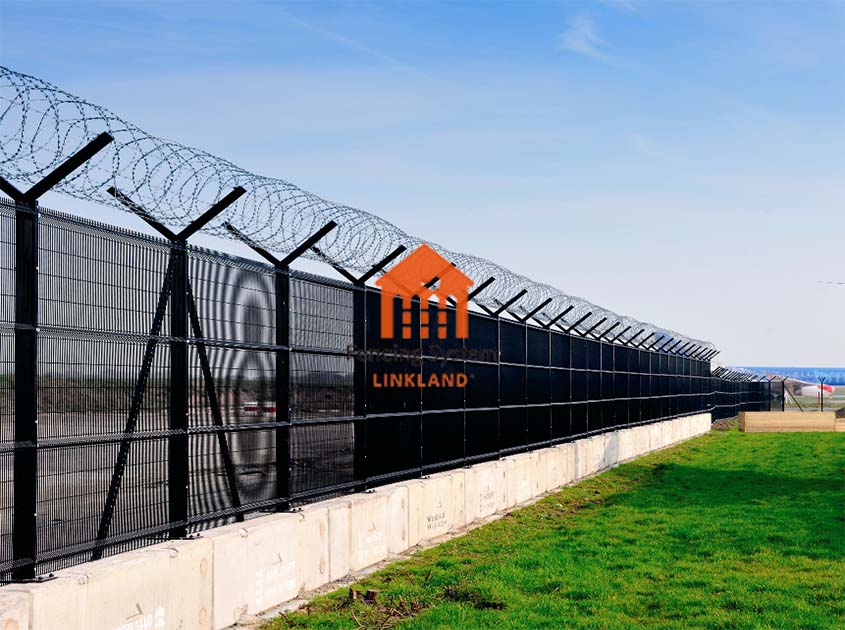
Prevent wild animals from entering the airport
The main purpose of the Airport fence is to prevent wild animals from entering the airport. These fences are specially designed and constructed to ensure that wild animals cannot climb over or through the fence. For example, fences can have anti-climbing features, below-ground barriers, and special mesh sizes for different animals. Through these measures, Airport fences effectively keep wildlife out of the airport, reducing the risk of bird strikes and other wildlife-related accidents.
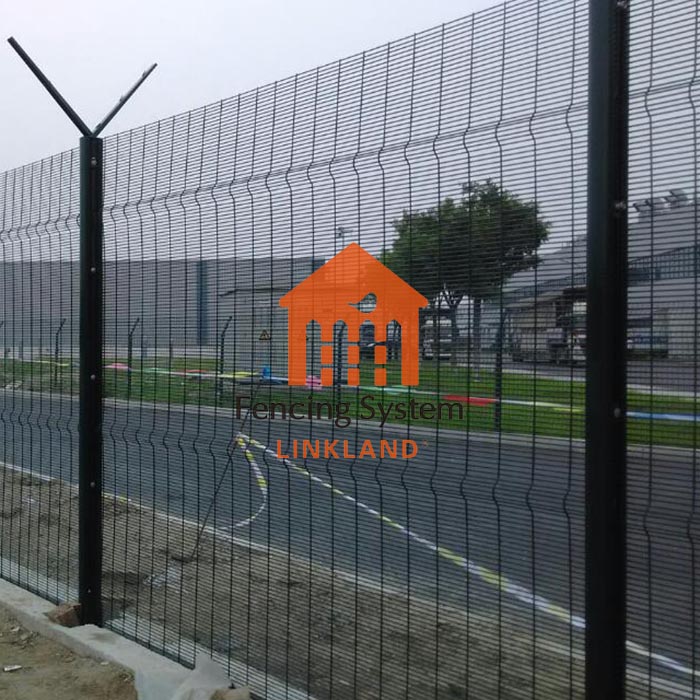
protect the wild animal
However, Airport fences also have to balance the need to protect wildlife. The design of fences should take into account the habitat and migration paths of wild animals, and avoid excessive disturbance to their survival and natural behavior. For example, fences could be made of transparent material or open to allow wildlife to pass freely or observe the environment around the airport. In addition, fencing should be combined with other wildlife management measures, such as setting guide lights, using sound equipment, etc., to guide wild animals away from the airport area.
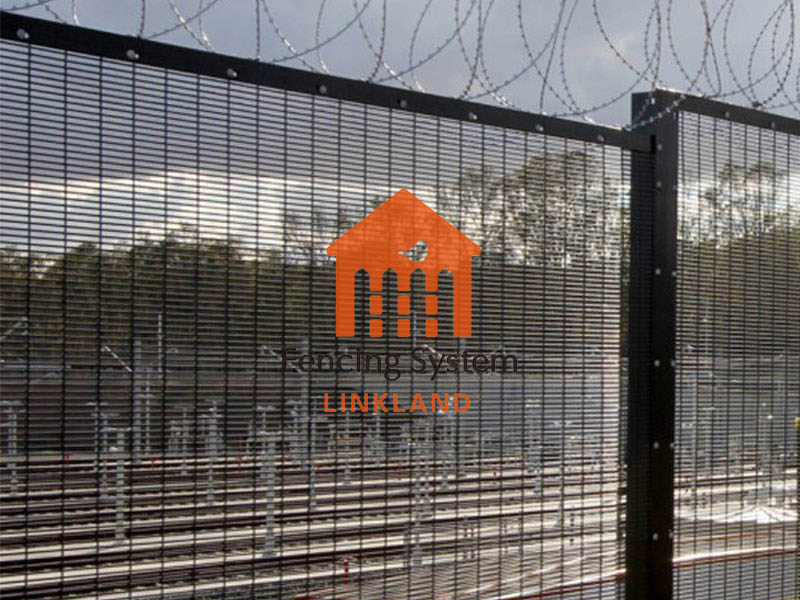
Integrated Management Approach
To balance protection and safety, airport fences should be used as part of an integrated approach to wildlife management. This includes implementing bird control measures, maintaining the cleanliness and tidiness of the surrounding environment, regular patrolling and monitoring, etc. By adopting an integrated management approach, Airport fence can manage wildlife more effectively, which not only protects flight safety, but also minimizes unnecessary disturbance to wildlife.
Airport fences play a key role in wildlife management, protecting aviation safety by preventing wild animals from entering the airport. However, in order to balance protection and safety, the design and management of fences should take into account the needs of wild animals and combine with other management measures to maintain ecological balance and protect the living environment of wild animals. Such an integrated management approach will ensure that airport fences are balanced with wildlife protection while ensuring flight safety.
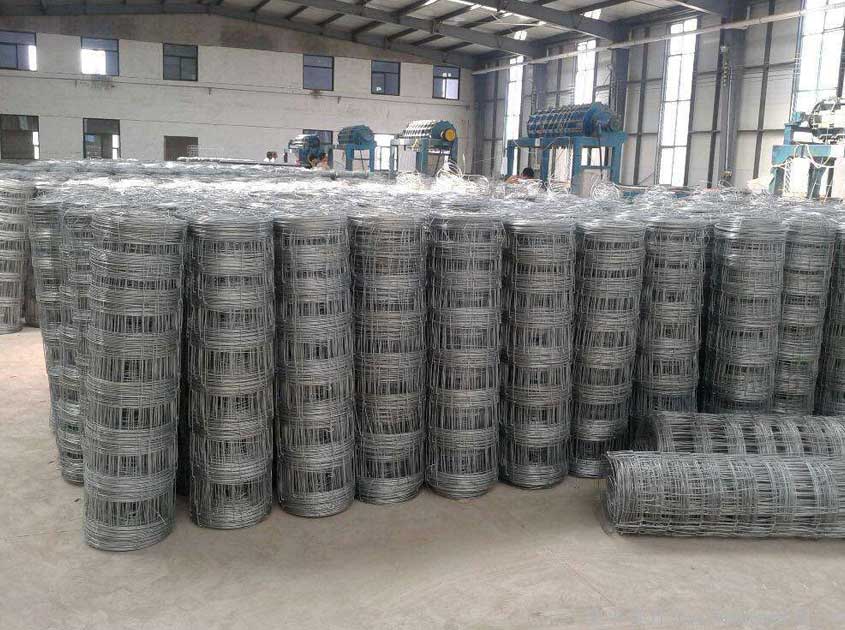
How to Choose Farm Fence for Cattle and Horses: Wire, Height and Design Guide
Pulished on Sep. 23, 2026
How Is Chain Link Fence Made? Manufacturing Process and Components
Pulished on Sep. 18, 2026
358 Security Fence vs Chain Link Fence: Security, Cost and Application Comparison
Pulished on Sep. 15, 2026
Why Choose Welded Wire Fence for Security and Protection?
Pulished on Sep. 07, 2026
358 Security Fence Specifications and Applications Guide
Pulished on Aug. 27, 2026
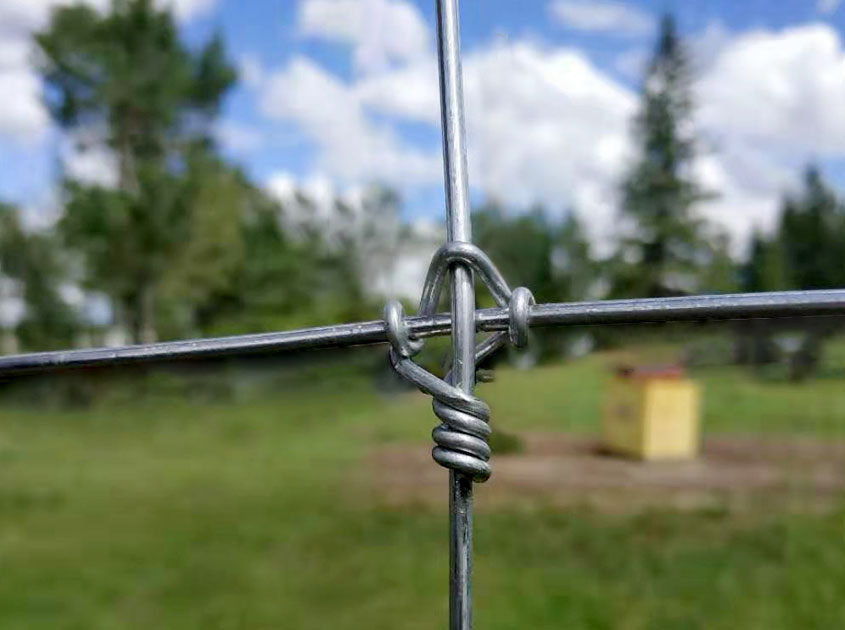
What Is Farm Fence and What Are the Main Types?
Pulished on Aug. 26, 2026
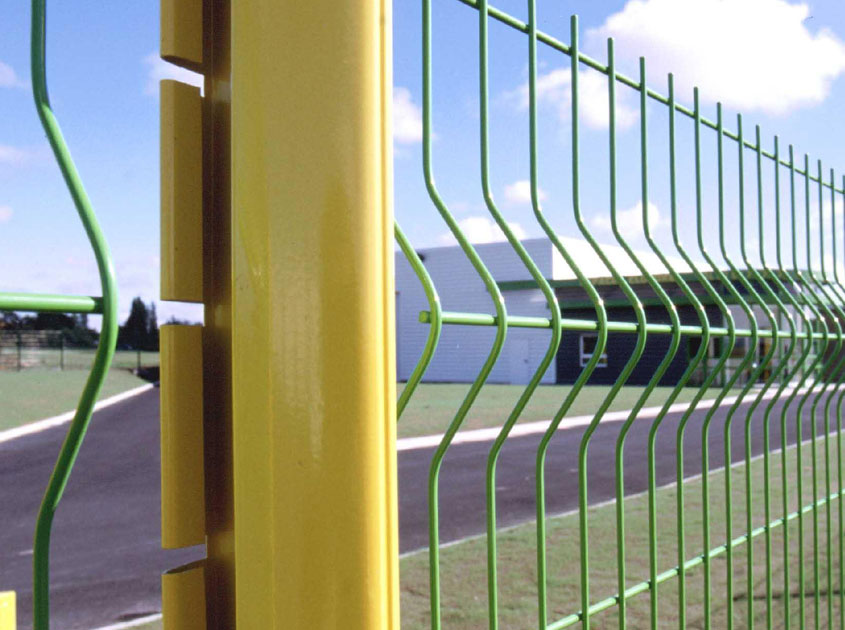
Welded Wire Fence Types, Sizes and Applications Guide
Pulished on Aug. 20, 2026
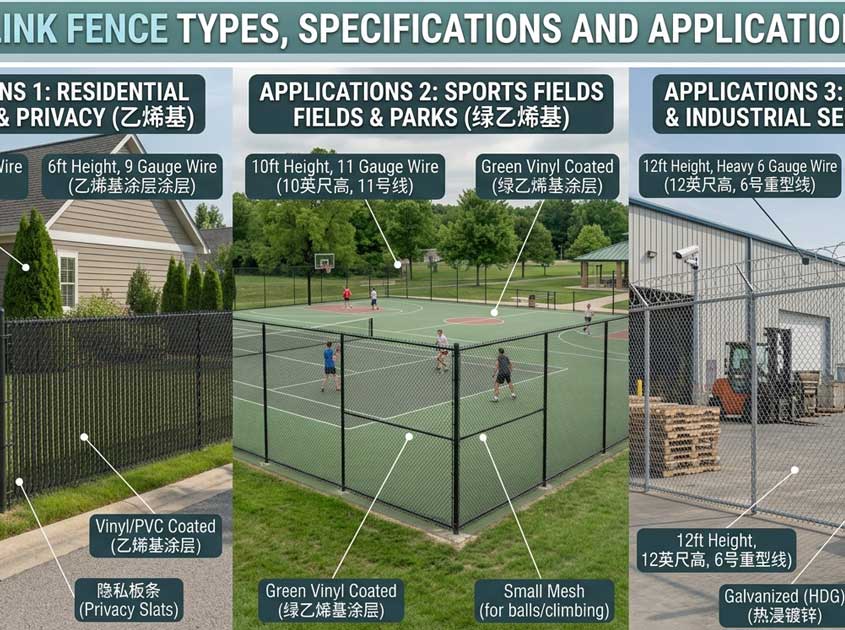
Chain Link Fence Types, Specifications and Applications Guide
Pulished on Aug. 12, 2026
How to Choose Farm Fence for Cattle and Horses: Wire, Height and Design Guide
Pulished on Sep. 23, 2026
How Is Chain Link Fence Made? Manufacturing Process and Components
Pulished on Sep. 18, 2026
358 Security Fence vs Chain Link Fence: Security, Cost and Application Comparison
Pulished on Sep. 15, 2026
Why Choose Welded Wire Fence for Security and Protection?
Pulished on Sep. 07, 2026
358 Security Fence Specifications and Applications Guide
Pulished on Aug. 27, 2026
What Is Farm Fence and What Are the Main Types?
Pulished on Aug. 26, 2026
Welded Wire Fence Types, Sizes and Applications Guide
Pulished on Aug. 20, 2026
Chain Link Fence Types, Specifications and Applications Guide
Pulished on Aug. 12, 2026